Rethinking Connected Appliance Launches at Electrolux
When I joined Electrolux in 2021 as a product designer, I thought I had a good idea of what was ahead. I had already worked with connected products at Audi, but I soon realised that shaping digital experiences for appliances was a whole different story.
Designing an app for an oven, air purifier or robot vacuums is nothing like designing one for a car. The products, the markets, and the way people use them are completely different. Even the company processes and ways of working had their own rhythm and complexity.
That was my first big learning curve, and it is exactly why I want to share some of the highlights, challenges, and lessons from my time working on appliance launches. What became clear very early on was that the connected app is not just another feature, but the key to making sure people have a smooth and consistent experience across all touchpoints from the appliance itself to the digital interactions around it. Before diving into the details, let me set the scene with a bit of background about Electrolux.
Electrolux Group
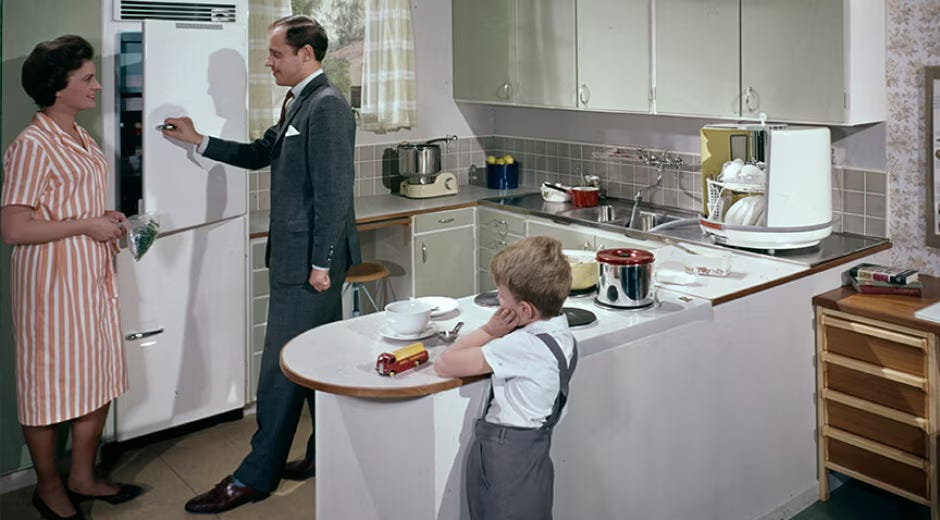
Electrolux is a global brand that millions of households trust. For more than 100 years, the company has been known for making appliances that last, with quality and performance at the core. Today Electrolux operates in over 120 markets and sells more than 60 million appliances every year. Over 10 million of these are connected, showing just how fast the digital side of home appliances is growing.
How everything started
The first real moment when I thought “this is different” was when I switched teams to join a newly created organization focused entirely on the digital experience. Electrolux had just made a bold strategic decision to bring everything in-house. That meant building a single ecosystem for all appliances instead of maintaining 20+ separate apps, setting up a new organization that grew from 20 people to more than 400, and rethinking a launch process that had always been driven by traditional hardware cycles.
At that time digital work was added only at the very end of the product cycle, which raised many questions for me:
- How can we challenge functionalities when everything has already been defined?
- How can we guarantee a seamless experience between appliance and app?
- How can we build an ecosystem rather than handling each appliance on its own?
- How do we keep speed and agility while aligning with long hardware cycles?
- How do we keep the user at the centre when so many teams and priorities are involved?
The challenges along the way
Once I joined the new DX organization, my focus moved to the Wellbeing category. Back then we were very small teams, usually just one designer per category, working closely with each other and with the global design community. We had three categories: Care which included cleaning appliances like washing machines, tumble dryers and dishwashers. Taste focused on kitchen products such as ovens, hobs, fridges and hoods. Wellbeing, my area, covered air and floor care including robot vacuums, air purifiers, air conditioners, dehumidifiers and humidifiers.
We worked on everything from new hardware launches to app features, while also building up the design system. Around that time we switched from Adobe XD to Figma, which laid the foundation for a token-based design system created together with developers. Over the years this grew into a global team of designers, PMs, and engineers making sure design and code scaled hand in hand.
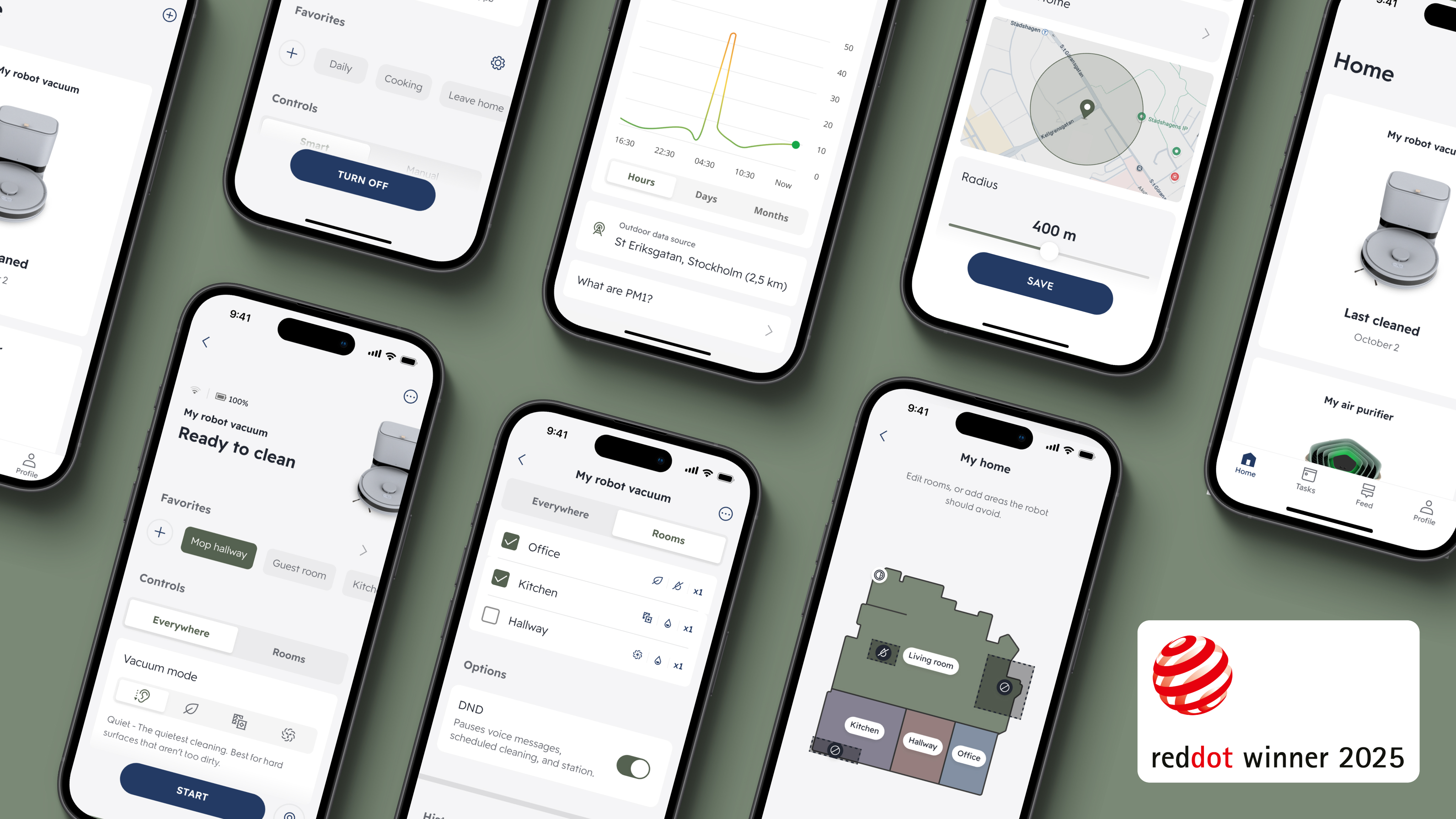
In Wellbeing my responsibility was making sure every connected appliance, from purifiers to AI-driven robots, worked smoothly with the app. We often had to juggle many things at once, and one of the hardest tasks was migrating more than 60 appliances from over 20 old apps into a single, unified platform. On the surface this was about cost savings, but for us it was about consistency. No matter what product people bought, the app should feel familiar and reliable. Achieving that meant coordinating across categories, aligning with the visual team on brand look and feel, and balancing fast launches with long-term system thinking.
We also had to rethink collaboration with appliance designers. Their cycles stretched over years, while ours moved in two-week sprints. Building strong relationships and sharing user data helped us get involved earlier. In some cases we could even avoid redundant features by suggesting smarter app solutions – like using predefined favourites instead of adding another physical button. In another example, we prevented a new feature from being added to an appliance by showing how the same outcome could be achieved with routines already available in the app. And in air care, we proposed personalised recommendations rather than creating yet another setting buried in menus. Moments like these showed that by working closely together, digital could influence decisions meaningfully and create real impact instead of just adding more features for the sake of it.
Highlights and small wins
Looking back, there were several breakthrough moments. The migration to a single app was one. Another was when we started pushing back on features that made little sense from a digital perspective. Instead of adding complexity just to match competitors, we leaned on user insights and data. Sometimes that meant saying no to “nice to have” ideas in order to focus on real value.
We also built a stronger design system that supported development across multiple appliances. This meant less time reinventing the wheel and more time refining the details that mattered to users. Over time this reduced workload, cut costs, and helped new teams get started faster.
One project I remember clearly was robot vacuum cleaners. They were among the first appliances where we applied a scalable approach: starting with simple cleaning routines and extending it to advanced AI-driven logic. Instead of one-off solutions, we built flexible components that adapted to different models. In air care we added features like pollen alerts and filter recommendations. These came directly from user insights and added real value to daily life instead of just ticking boxes on a feature list.
Lessons learned
A few lessons stand out for me:
- Collaboration is everything. Without aligning with product managers, engineers, researchers, and interaction designers, nothing would move forward. This taught me that strong relationships are just as important as good design.
- Think in systems, not just features. Designing for one appliance at a time creates silos. Thinking in systems builds consistency across the whole ecosystem.
- Get involved early. Waiting until the end of the PDCL process left little room to influence. By joining earlier I could help shape priorities in a more meaningful way.
- Users over trends. More features don’t automatically mean more value. Listening to users ensures we build what really matters.
Looking ahead
What excites me most is that connected appliances are still at the beginning of their journey. There is huge potential to create experiences that go far beyond remote control. The future lies in ecosystems that feel intuitive, intelligent, and helpful in everyday life without overwhelming users.
Compared to when I first joined, I now feel far more confident about how digital can shape the future of appliances. The next steps will be about getting design involved even earlier, strengthening collaboration between hardware and digital, and using shared data and aligned roadmaps to make sure what we build really matters.
Closing note
This journey taught me that designing for connected appliances is less about the screen itself and more about connecting the dots between hardware, software, and human needs. It has been a challenging but rewarding experience, and it showed me how important it is to stay curious, to question established ways of working, and to always put the user first.
If there is one thing I would pass on to other designers stepping into this space, it is this: don’t be afraid to push for change. The best experiences come when digital and physical truly work hand in hand.